We may earn a commission when you buy through our links. How we make money
How we make money
NerdBible is an independent comparison site funded by referral fees. When you visit a company through a link on our pages and buy or sign up, that company may pay us a commission. You never pay more because of it.
Commissions do not decide our rankings, scores or reviews. Those come from our own research and a published methodology, and we apply the same standards to every product whether or not it pays us. Not every product in a category is included, and the companies on our lists can change over time.
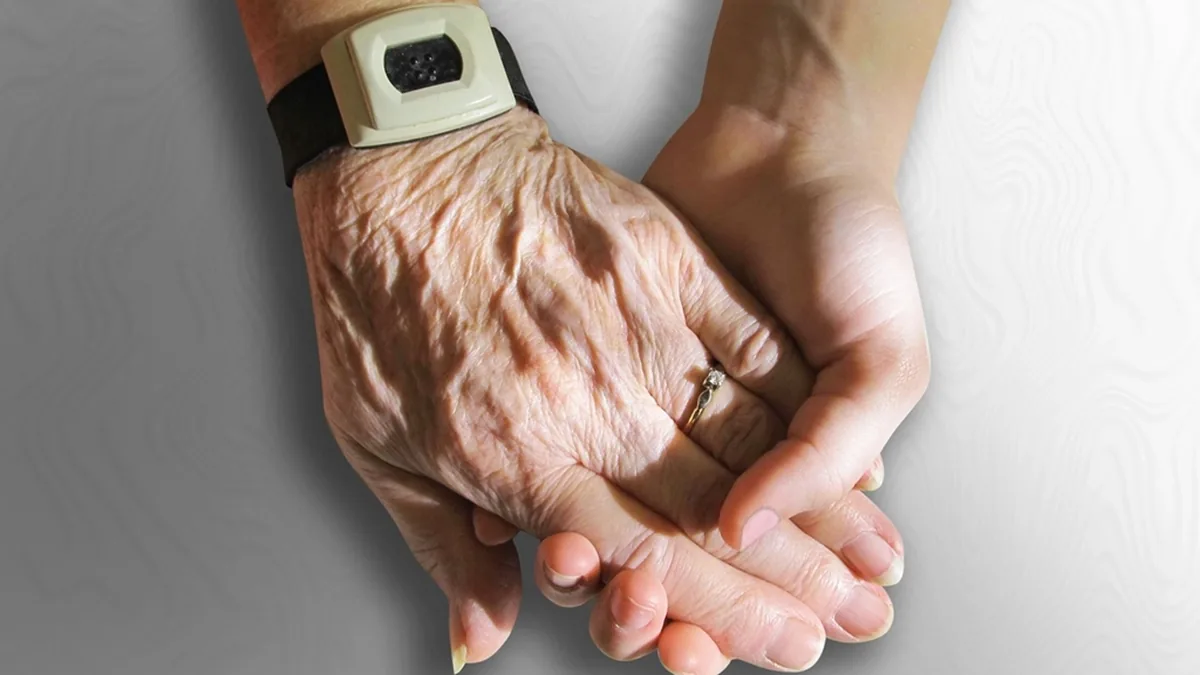
Medical alert systems connect seniors and vulnerable adults to 24/7 monitoring centres at the press of a button: or automatically after a fall. We compared device range, fall-detection accuracy, battery life, caregiver apps and the true monthly cost after fees.
For an older adult who wants a choice between an in-home base and a mobile device, with a well-regarded monitoring centre, a caregiver app and no long contract, Medical Guardian is the provider we rank first. Independent testers back up its reputation for fast, professional answers. Go in with your eyes open on cost, buy only the add-ons that match a real need, get cancellation terms in writing, and involve the wearer and their healthcare team in the decision.
LifeFone offers a wide choice of devices, cheap fall detection, free spouse coverage on at-home systems, a real monitoring centre of its own and some of the clearest no-contract terms in the category. It is let down by a clumsy app and by mixed independent results on in-home range and audio. For most families looking for dependable monitoring at a fair price, it is an excellent choice, provided you test it properly during the trial. A medical alert system responds to emergencies; for advice on preventing falls, speak to a doctor or physical therapist.
Medical Care Alert earns its place among the best medical alert systems through a strong core service rather than through features. Certified US operators, redundant monitoring, a candid stance on what fall detection can and cannot do, month-to-month terms and a two-week trial add up to a low-risk choice for an older adult living alone. Budget for fall detection if falls are the main worry, confirm range and carrier details with support, and use the trial window to test the button from every room and the yard. Then pair the device with a fall-prevention conversation with a doctor, because the best alert is the one that never has to be pressed.
Medihill is a no-frills, low-commitment medical alert service with the core features most households need: a clear help button, two-way voice, a long-range pendant, backup power and round-the-clock monitoring, plus portable and watch options. Its rental model and flexible billing keep the entry cost down, which is why we rate it as a budget choice. Before you buy, confirm the trial period, ask which monitoring centre answers calls, and add fall detection only if you understand its limits.
Scores reflect research into the providers' own plans and policies, pricing checks and what users and other reviewers report, not pay-to-play placement.
Device features (30%): fall detection, waterproofing, battery.
Caregiver tools (20%): apps, family alerts, location.
Value (15%): monthly fees, contracts, equipment.
At-home vs mobile
In-home systems use a base station plus pendant, ideal for people who mostly stay home. Mobile GPS units work anywhere with cellular coverage, better for active seniors who drive or walk outdoors.
Buyer's guide
Prioritise fall detection if balance is a concern, waterproof pendants for shower use, caregiver apps that alert family, and transparent pricing with no long contracts. Test range in every room before the trial window closes.
Medical disclaimer: These devices are not a substitute for emergency services in life-threatening situations, always call local emergency numbers when appropriate.
What customers rate them
Checked October 5, 2026
Customer ratings show how people who chose to leave a review felt about a company or its app. They help a buyer spot patterns, such as repeated complaints about billing, renewals, delivery or support, but they do not measure product quality: unhappy customers tend to review more often than happy ones, some companies invite reviews more actively than others, and a score built on a few dozen reviews can swing with a handful more. For a health service, a rating reflects ordering, billing, delivery and customer service; it says nothing about clinical results or whether the product suits a particular person, which is a question for a qualified professional.
Trustpilot rates the company as a whole and often reflects buying and service experiences. Apple App Store ratings cover one iPhone and iPad app in the US store, and a rating is shown only when the app is published by the vendor or its parent company. The two scores come from different groups of reviewers and are not combined here.
Customer ratings for the products on this page, as read on Trustpilot and the US Apple App Store on 5 October 2026
Product
Trustpilot
Apple App Store (US)
Medical Guardian
4.2 / 5 from 1,484 reviews
4.9 / 5 from 1,578 ratings (MyMedicalGuardian, Medical Guardian llc.)
LifeFone
4.5 / 5 from 1,000 reviews
Not listed
Medical Care Alert
4.6 / 5 from 17 reviews
Not listed
Medihill
4.0 / 5 from 3 reviews
Not listed
"Not listed" means no Trustpilot page or App Store app from the vendor itself was found. Ratings change daily.
NerdBible is reader-supported. We may earn a commission when you buy through links on our site. This never affects the price you pay or our editorial scores.
How we make money: when you sign up with a product through a link on this page, that company may pay NerdBible a referral fee. Fees never decide the order. Our research does, and every product is scored the same way whether or not it pays us.