
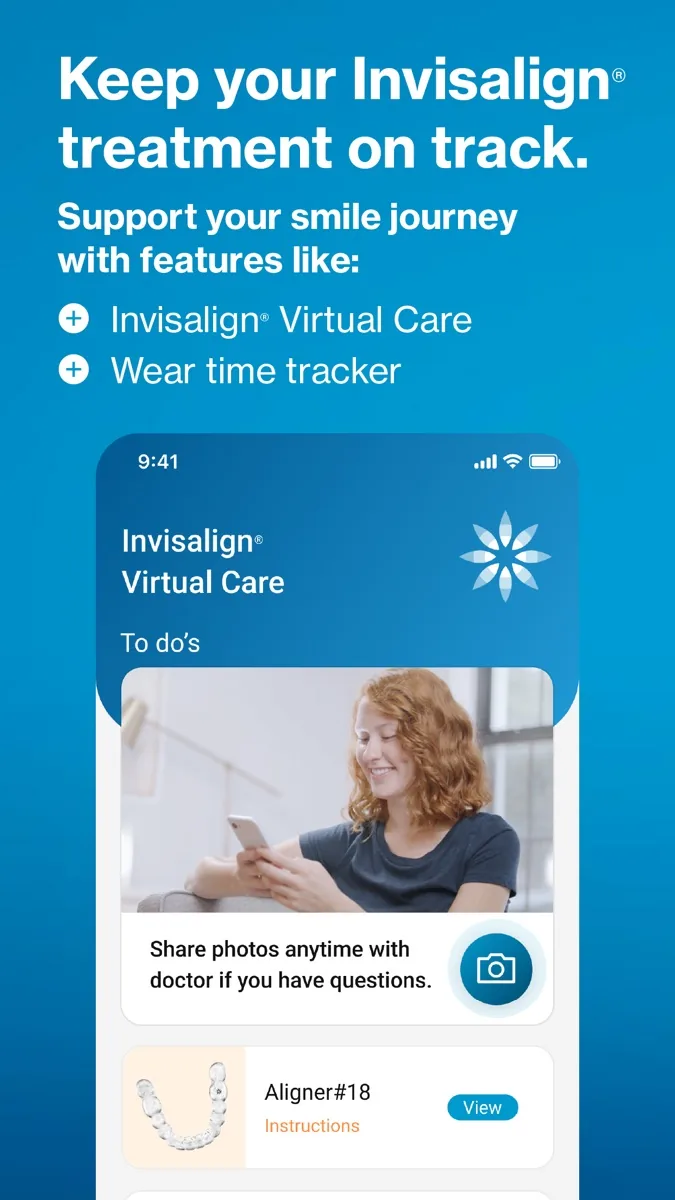
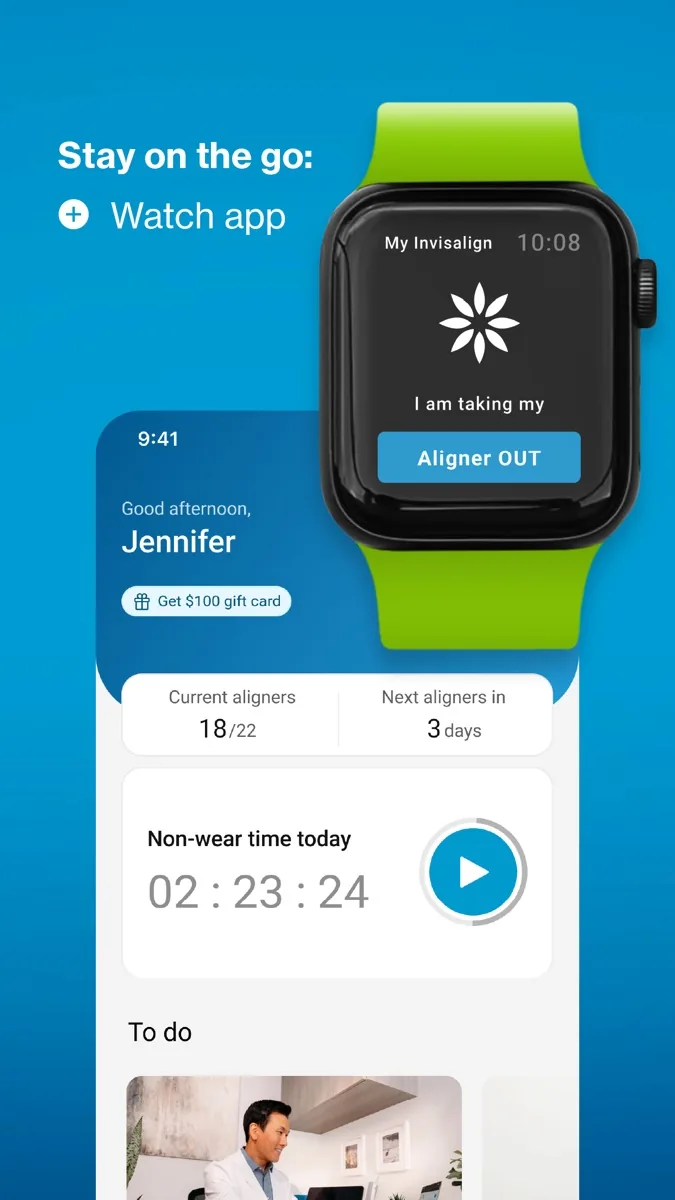
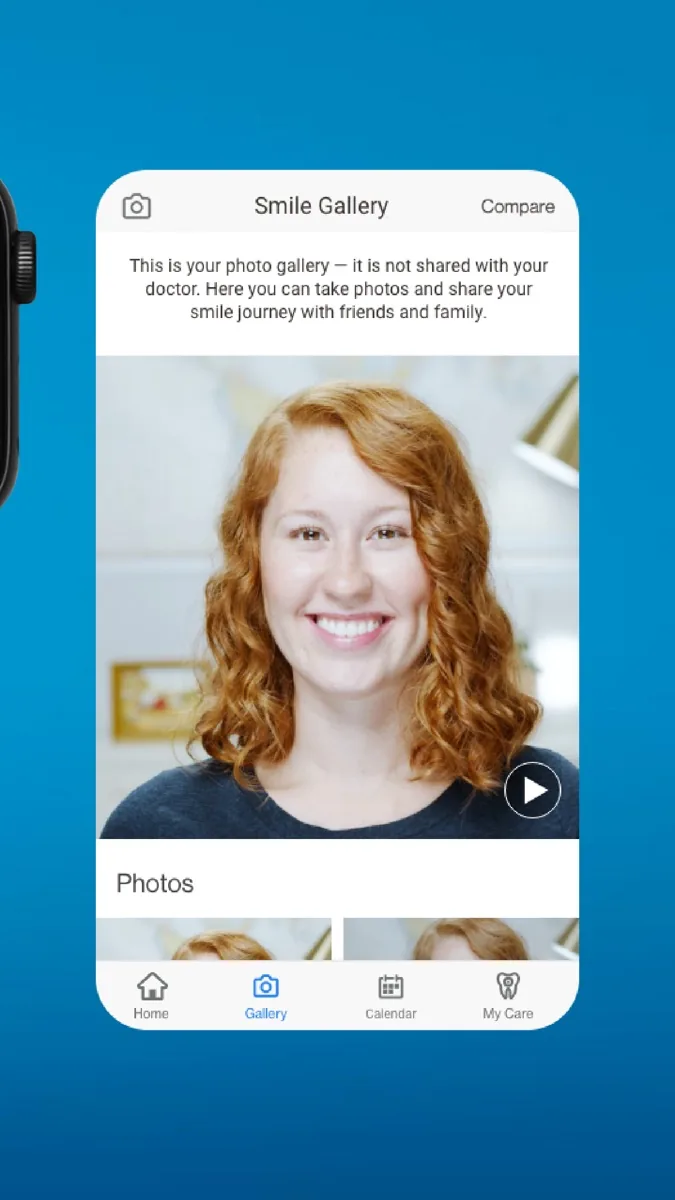
This Invisalign review describes the best-known clear aligner system, how treatment works, and what the US Food and Drug Administration (FDA) and the American Association of Orthodontists (AAO) say about clear aligners in general. It is not medical or dental advice. Whether aligners suit your teeth, which system to use and how long treatment should take are decisions for a licensed dentist or orthodontist who has examined you in person. What follows is an editorial description to help you prepare for that conversation.
Invisalign review verdict: is it worth considering?
Invisalign ranks first in our clear aligner comparison because it is the system that keeps a dentist or orthodontist involved from the first scan to the final retainer. Treatment is prescribed and supervised in person, which is exactly the model the FDA and the AAO describe as appropriate for clear aligners. It also has a long track record, which Healthline cites as one reason it ranks Invisalign first among invisible braces.
The trade-offs are cost and commitment. In-office care through a provider generally costs more than mail-order aligners, and aligners only work when they are worn as directed for most of the day. Clear aligners are also not right for every case; both the FDA and the AAO say an examination is needed to decide between aligners, braces or a combination.
What Invisalign is and who it is for
Invisalign is a clear aligner system made by Align Technology. Aligners are thin, removable plastic trays, each shaped slightly differently, that move teeth gradually when worn in sequence. With Invisalign, a provider scans your teeth, uses Align's ClinCheck treatment planning software to map the planned movements, and orders a series of custom aligners made from Align's SmartTrack material. Small tooth-coloured bumps called attachments are sometimes bonded to teeth to help the aligners grip.
FDA records list the Invisalign System as a Class II medical device, cleared through the 510(k) process under the regulation for orthodontic plastic brackets (product code NXC), and marked for prescription use. In plain terms, it is a regulated device that reaches patients through a licensed practitioner rather than over the counter.
Invisalign is generally of interest to:
- adults and teenagers who want a less visible alternative to fixed braces
- people who prefer to remove their appliance to eat, brush and floss
- patients who want in-person supervision rather than an at-home, mail-order model
Only a dentist or orthodontist can tell you whether you are a suitable candidate.
Key features
Provider-led treatment planning
Invisalign's own site describes a process that starts with a scan of your teeth in a provider's office and a custom plan built in ClinCheck. The provider reviews the planned movements, orders the aligners and monitors progress with check-ups. This is the main difference from direct-to-consumer brands: a licensed practitioner examines you in person and stays responsible for your care.
Removable aligners
Because aligners come out, you can eat normally and clean your teeth without working around brackets. The flip side is responsibility. The AAO's consumer guide says aligners are typically worn at least 22 hours a day and must be removed when you eat or drink and when brushing and flossing. The FDA's consumer update also says to remove aligners to eat and to brush and floss afterwards.
Retainers after treatment
Teeth tend to drift after any orthodontic treatment. Invisalign's site says retainers are the only way to keep teeth from shifting and offers its own Vivera retainers through providers. Your provider will advise on a retention plan.
Provider finder and support
Invisalign's website includes a doctor locator and a concierge contact service to help you book a first appointment. The provider, not Invisalign, sets your treatment fee and plan.
How much does Invisalign cost? Pricing structure
Invisalign does not sell treatment directly. The fee is set by your dentist or orthodontist and depends on the complexity of your case, the length of treatment, your location and what the provider includes (scans, check-ups, refinements, retainers). Invisalign's cost page points patients to ask their provider about payment plans, FSA and HSA eligibility, and dental insurance with orthodontic coverage that may apply. Ask for a written quote that lists what is included, especially whether refinement aligners and retainers are in the fee.
Is Invisalign safe? What regulators and orthodontists say
The FDA
The FDA describes clear aligners as custom-made, removable plastic trays that gradually move teeth, and says they are available by prescription from a licensed practitioner such as a dentist or orthodontist. It says aligners are commonly used for mild to moderate problems such as crowding, gaps and some bite issues, and that more complex conditions may need braces or other treatment. The agency states that it has not authorized clear aligners marketed directly to consumers without supervision by a dentist or orthodontist.
The FDA lists potential risks of clear aligner treatment, including an uneven bite, unintended tooth movement, pain, tooth loss, speech changes, allergic reactions to materials and damage to existing dental work. It says in-person examination can help lower those risks and that periodic in-person visits help confirm teeth are moving safely and as planned. Serious problems can be reported through the FDA's MedWatch program.
The American Association of Orthodontists
The AAO's patient guide lists gapped teeth, crowded teeth, overbite, underbite, open bite, crooked teeth and crossbite among the conditions aligners commonly treat, but says aligners are not right for everyone and that some cases are treated more predictably with braces. It says an orthodontist is best qualified to decide between aligners and braces. The AAO has long warned about mail-order treatment without an in-person examination; in a member survey it published, 77 percent of responding orthodontists said they had seen patients needing retreatment after mail-order or direct-to-consumer aligners.
The common thread is supervision. Invisalign's provider-led model fits that guidance, but supervision is a feature of the care you receive, not of the plastic. Choose a provider you trust and attend your check-ups.
What other reviewers found
- Healthline names Invisalign its best overall invisible braces option, crediting its long track record and the fact that impressions are taken by a professional rather than with a home kit, but notes it costs more than other options and may not suit complicated cases.
- A separate Healthline explainer says results depend on wearing aligners as directed and caring for them properly, and that complex spacing or bite problems may take longer to treat.
- NewMouth rates Invisalign as a discreet, removable alternative to braces but lists drawbacks including some discomfort, the daily wear requirement and a higher cost than traditional braces in some cases.
- Cleveland Clinic, describing clear aligners in general with Invisalign as an example, says they suit some mild to moderate bite problems, that your orthodontist decides whether they are right for you, and that pressure or soreness is common when switching to a new aligner.
- A systematic review of Invisalign studies published on PubMed Central concluded that some movements, such as vertical movement and rotation, are harder to achieve with aligners, and that programmed movements are not always fully expressed.
Where they agree: every source treats Invisalign as an effective, discreet option for suitable cases, and every source says suitability must be judged by a professional. Cost and the need for consistent daily wear are the downsides cited most often.
Where they disagree: the sources differ on detail. The AAO describes aligners typically changing about once a week, while Cleveland Clinic says about every two weeks; your provider sets the schedule. Invisalign's own materials speak of treating simple to complex movements, whereas Healthline and the FDA describe aligners as mainly suited to mild to moderate cases. For a reader, the takeaway is that what is achievable for your teeth is a clinical question, so ask your provider directly how predictable your specific movements are with aligners compared with braces.
What could be better
- Cost. Provider-led care generally costs more than mail-order aligners, and the fee varies widely between practices.
- Compliance. Aligners only work while worn. Forgetting them, or leaving them out after meals, can slow progress.
- Not every case. The FDA, the AAO and independent reviewers all say some problems are better treated with braces or a combination.
- Comfort. Reviewers and Cleveland Clinic describe pressure or soreness with each new aligner.
- Retention is ongoing. Retainers are needed after treatment, which adds cost and a long-term habit.
Who should choose something else
If your dentist or orthodontist recommends fixed braces for your case, take that advice seriously; braces work regardless of whether you remember to wear them and may be more predictable for certain movements. If budget is the main constraint, ask local orthodontists about braces and payment plans, and ask whether other provider-prescribed aligner brands are an option. Avoid any product that skips an in-person examination; the FDA has said it has not authorized clear aligners sold directly to consumers without professional supervision.
Bottom line
Invisalign is our top pick because it delivers clear aligner treatment the way regulators and orthodontists say it should be delivered: prescribed, planned and supervised by a licensed professional who has examined you. It is not the cheapest route, and it asks for discipline every day. Book a consultation with a dentist or orthodontist, ask whether aligners or braces are better for your teeth, and get a written quote before you decide.
Frequently asked questions
Is Invisalign FDA approved?
Invisalign is a Class II medical device that has been cleared by the FDA through the 510(k) premarket notification process, which is the usual route for this kind of device. FDA records list it under the regulation for orthodontic plastic brackets and mark it for prescription use, meaning it is supplied through a licensed dentist or orthodontist rather than sold over the counter.
How many hours a day do you wear Invisalign aligners?
The AAO says aligners are typically worn at least 22 hours a day and removed only to eat, drink and clean your teeth. The FDA's consumer guidance also says to take aligners out to eat and to brush and floss before putting them back. Your own provider will set the exact wear schedule and how often you change to the next aligner.
Can Invisalign fix an overbite or other bite problems?
The AAO lists overbite, underbite, open bite and crossbite among the conditions aligners commonly treat, but says some cases are treated more predictably with braces. The FDA describes aligners as mainly used for mild to moderate problems. Only an in-person examination by a dentist or orthodontist can tell you whether aligners suit your particular bite.
Is Invisalign better than mail-order aligners?
The main difference is supervision. Invisalign treatment is prescribed and monitored by a provider who examines you in person. The FDA says it has not authorized aligners sold directly to consumers without professional supervision, and the AAO warns that skipping an in-person exam can lead to harm and retreatment. Discuss the options with a dentist or orthodontist before choosing.
Do you need a retainer after Invisalign?
Yes, in almost all cases. Invisalign's own site says teeth naturally shift over time and that retainers are the only way to keep them in their new position. It offers Vivera retainers through providers. Your dentist or orthodontist will recommend the type of retainer and how often to wear it once active treatment ends.
Sources
- How Invisalign treatment works, Invisalign
- Invisalign cost, Invisalign
- Vivera retainers, Invisalign
- 510(k) K181739 Invisalign System, US Food and Drug Administration
- Clear Dental Aligners, US Food and Drug Administration
- Braces Have Changed: What to Know about Traditional Braces and Clear Aligner Options, US Food and Drug Administration
- Clear Aligners, American Association of Orthodontists
- At-Home Orthodontics: Cons and Considerations, American Association of Orthodontists
- AAO Highlights Health Risks of Mail-Order Orthodontics, American Association of Orthodontists
- 4 Best Invisible Braces and Teeth Aligners for Adults, Healthline
- Does Invisalign Work? Pros, Cons, Effectiveness, Healthline
- Invisalign Review, NewMouth
- Clear Aligners: Purpose and Types, Cleveland Clinic
- A systematic review of the accuracy and efficiency of dental movements with Invisalign, PubMed Central