

Our verdict
This MDHearing review looks at one of the longest-running direct-to-consumer hearing aid brands in the United States. MDHearing sells over-the-counter (OTC) hearing aids online, ships them to your door and supports them by phone, email and video from a US-based team that includes audiologists and licensed hearing specialists. Its pitch is simple: a small range of rechargeable devices, a free online hearing screening, a risk-free return window and prices well below what a clinic-fitted prescription aid usually costs.
On our budget hearing aid ranking that combination earns MDHearing a high place. The devices are straightforward, every current model except the entry NEO is rechargeable, three models add smartphone app control, and the company's warranty and returns page sets out a 60-day return period and a one-year warranty in plain language. The trade-offs are real, though. These are preset aids rather than self-fitting ones, the most affordable models have no app at all, and independent reviewers agree that busy, noisy rooms are where MDHearing devices struggle most.
NerdBible did not fit or wear MDHearing devices for this review. It is an editorial assessment built from MDHearing's own product, returns and screening pages, guidance from the US Food and Drug Administration, and published reviews from Consumer Reports, the National Council on Aging, Soundly and The Senior List.
What is MDHearing and who is it for?
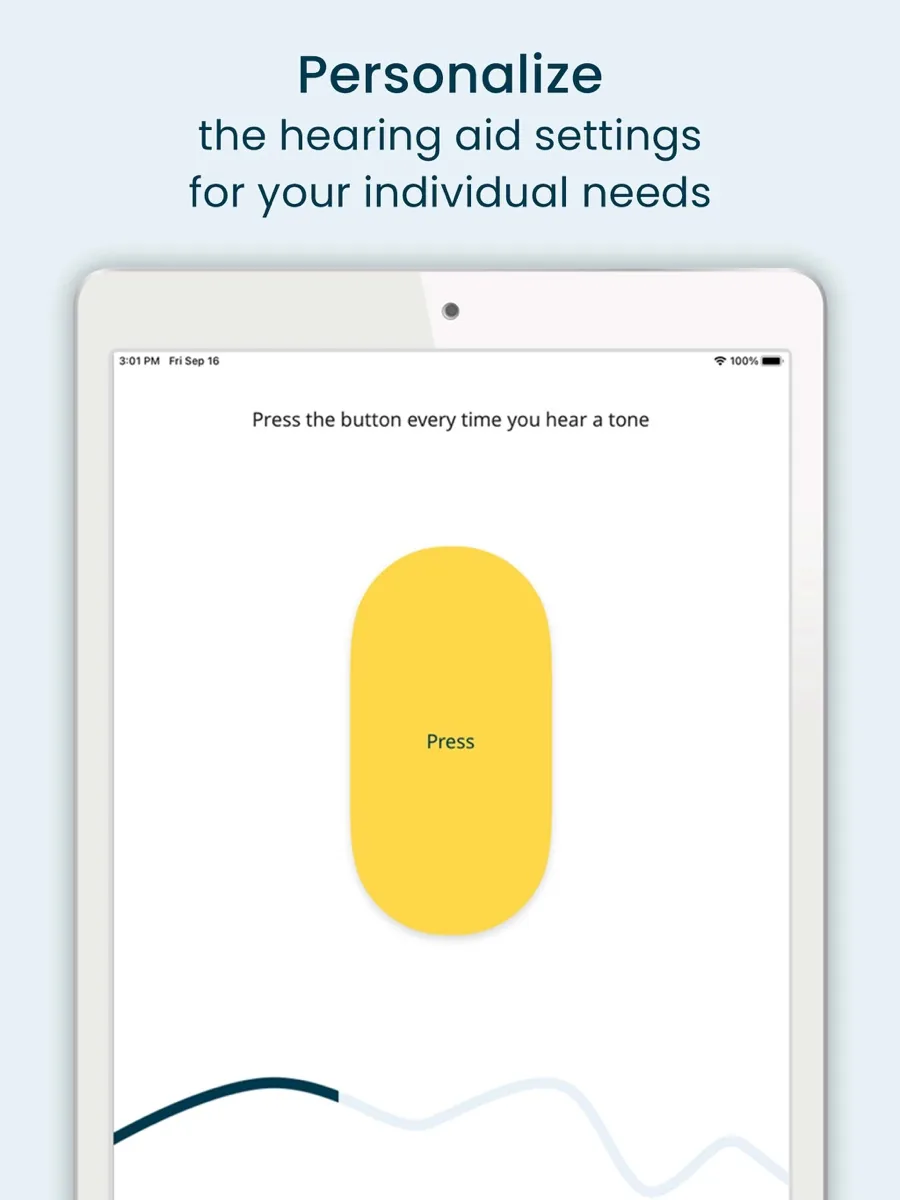
MDHearing describes itself as an FDA-registered maker of OTC hearing aids for adults with mild to moderate hearing loss. It sells online and by phone rather than through clinics, and it offers a free online hearing test that takes under ten minutes with headphones and plots the result on a simple chart. MDHearing itself says that screening is a first step and does not replace a full evaluation by an audiologist, which is the right framing.
The FDA's guidance on OTC hearing aids is the best yardstick for whether this category suits you at all. OTC aids are meant for adults aged 18 and over with perceived mild to moderate hearing loss. The FDA lists warning signs that call for a doctor rather than a shop: sudden changes in hearing, hearing loss in one ear only, ear pain or discharge, dizziness, or ringing in one ear. It also says OTC aids are not designed for people who cannot follow speech even in a quiet room.
Within those limits, MDHearing is aimed at:
- First-time buyers on a budget who want to find out whether amplification helps before spending on prescription devices.
- People who prefer simple physical controls to an app, including those with limited dexterity who want a button for volume and programs.
- Buyers who value phone support from a US team over a clinic visit.
Key features
A small, clear model range
MDHearing's comparison page lists six models across two styles. In-the-ear options are the NEO, NEO XS and NEO XS PRO. Behind-the-ear options are the AIR 3, VOLT 4 and VOLT MAX 2. All but the original NEO are rechargeable and come with a charging case that holds extra charges; the NEO runs on disposable batteries. Most models offer four listening programs, while the NEO has one.
App control on three models
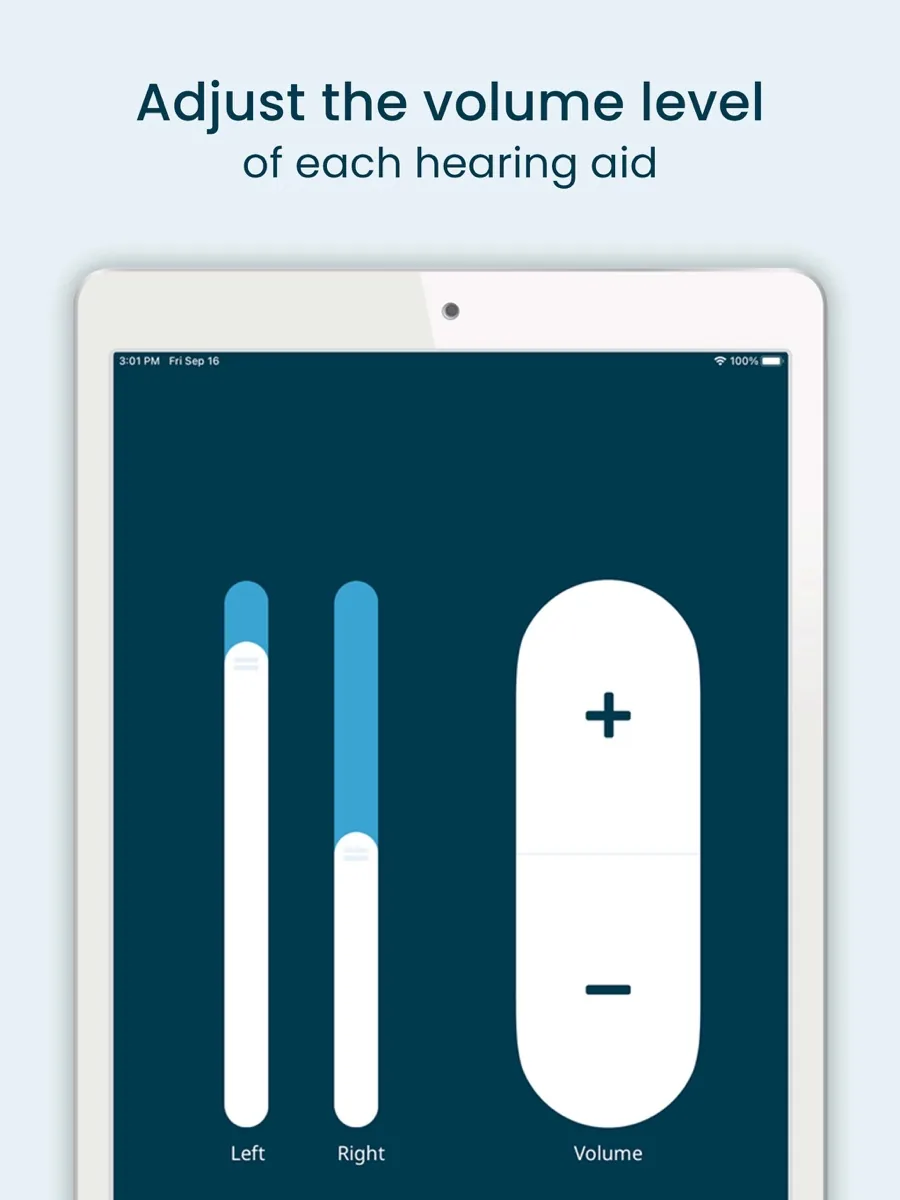
According to the comparison page, app control is available on the NEO XS PRO, VOLT 4 and VOLT MAX 2. The other models are adjusted with buttons on the device. That matters for buyers who expect a phone to do the fine-tuning: on the cheaper models it cannot. Consumer Reports' page on the NEO XS also notes that the model cannot handle phone calls or music through the aid itself.
Noise reduction tiers
MDHearing grades its noise reduction from basic on the NEO to improved on the NEO XS models, advanced on the VOLT 4 and what it calls intelligent noise reduction on the VOLT MAX 2 and AIR 3. These are the company's own labels rather than lab measurements, so treat them as a ranking within the range rather than a comparison with other brands.
Remote support from licensed professionals
The hearing test page says purchases include lifetime remote support by phone, text, email or video, a complimentary telehealth consultation with licensed audiologists and hearing specialists, and optional paid care plans with annual check-ins. Consumer Reports describes the paid tier as telehealth care with priority phone access and personal follow-up.
How much does MDHearing cost?
We do not quote prices in the review text; the product card on this page shows current figures from our data. In structure, MDHearing sells each model as a pair, with the entry NEO and NEO XS at the low end and the app-controlled NEO XS PRO and VOLT MAX 2 at the top. Several independent reviewers place the range well below typical clinic prices. MDHearing frequently shows sale prices, and the National Council on Aging criticised the brand's habit of presenting marked-down "sale" pricing, so compare the price you are actually charged rather than the claimed saving.
Optional extras include a protection plan for loss and accidental damage and paid care plans for ongoing professional check-ins. Initial shipping and accessories are not refundable under the returns policy.
Returns, warranty and support
MDHearing's warranty and returns page gives 60 days from delivery to return hearing aids for a refund, and asks you to contact customer service first. Original shipping costs and accessories are not refunded. The standard warranty runs for one year and covers defects in materials and workmanship, with free repair or replacement. It excludes damage from impact, moisture or sweat, wax build-up, lack of maintenance, tampering and failure to replace consumable parts such as domes and wax guards. Loss and accidental damage are only covered by the optional protection plan.
Several of the independent reviews we read describe a shorter, 45-day trial. The vendor's current page says 60 days, so check the return window shown at checkout and keep your delivery confirmation.
Is MDHearing safe and legitimate?
MDHearing is an established company that sells FDA-registered OTC devices, and its screening page points users with concerns towards a professional evaluation. Consumer Reports explains that OTC aids come in two kinds: self-fitting devices, which use an app-based hearing test to set themselves up and must show the FDA they are safe and effective, and preset devices, which ship with fixed profiles. MDHearing's range is in the preset group, which means you choose among programs rather than having the aid tuned to your audiogram.
The safety questions with any OTC aid are about fit and suitability rather than the brand. If any of the FDA's red-flag symptoms apply to you, or if your hearing does not improve as expected, speak to an audiologist or an ear, nose and throat doctor before buying more equipment.
What could be better
- App control is not universal. The NEO, NEO XS and AIR 3 have no app, and none of the models are self-fitting.
- Noisy places are hard. Soundly and Consumer Reports both describe less benefit for speech in noise than for quieter listening such as television.
- No published water-resistance rating. The National Council on Aging flagged the absence of an IP rating, and the warranty excludes moisture and sweat damage.
- Sale pricing. Permanent-looking discounts make the real price harder to judge.
- Limited choice. Six models in two styles is a narrow range next to clinic brands.
Who should choose something else
If your hearing loss may be more than moderate, if it is in one ear, or if any of the FDA's warning signs apply, an OTC aid is not the right starting point; see a professional. If you want a device that tunes itself to your hearing test through an app, a self-fitting OTC aid from another brand is a better match than MDHearing's preset models. If you spend most of your day in meetings, restaurants or other noisy rooms, it is worth comparing premium OTC options or a prescription fitting, because that is the scenario reviewers consistently found weakest. And if you want to answer calls through your hearing aids, check the specific model's listing, since MDHearing's cheaper models do not offer it.
What other reviewers found
- Consumer Reports found the NEO XS easy to use and good at cutting background noise, but users reported less improvement for speech in noisy settings, and the testers noted a weakness with lower-pitched sounds.
- The National Council on Aging scored MDHearing highly for affordability, rechargeable batteries and free audiologist support, while criticising its sale pricing, the lack of a water-resistance rating and the small number of app-enabled models.
- Soundly judged the sound reasonable for the price but said the aids over-amplify sudden noises and are not ideal for dinner parties and similar busy settings.
- The Senior List praised the fully online process, financing and support, and considered the paid remote fitting package worth having, while noting there is none of the fine-tuning a clinic fitting offers.
- Consumer Reports' brand comparison stressed that the support behind an OTC aid matters as much as the hardware, and listed MDHearing's phone, email and paid telehealth options.
Where the reviewers agree and disagree
The outlets agree on the core story: MDHearing is affordable, simple and well supported, and it is at its weakest in noisy environments. They also agree that buyers give up the personalised tuning of a clinic fitting. Where they differ is on how much that matters. The National Council on Aging and The Senior List treat the simplicity as a strength for older buyers and people with dexterity problems, while Soundly suggests comparing more advanced OTC aids if speech clarity is the priority. For a buyer, the message is that MDHearing is a sensible, low-risk first step for mild to moderate loss in mostly quiet settings, and the return window is the tool for finding out whether it works for you.
Is MDHearing worth it? Bottom line
MDHearing does what a budget OTC brand should: it keeps the range small, explains the warranty and returns clearly, offers free remote help from licensed professionals and lets you send the aids back if they do not help. It is not the brand for complex hearing needs, heavy app users or people who live in noisy rooms. If the FDA's criteria for OTC aids fit your situation and you value simple controls and phone support, it is a strong, sensible choice. Speak to an audiologist if you are unsure whether OTC aids suit your hearing at all.
Frequently asked questions
Do I need a hearing test before buying MDHearing aids?
No prescription or exam is required, because MDHearing sells over-the-counter devices for adults with perceived mild to moderate hearing loss. MDHearing offers a free online screening that takes a few minutes with headphones, but says it does not replace a full evaluation. The FDA advises seeing a doctor if you have sudden hearing changes, loss in one ear, ear pain, discharge or dizziness.
How long is the MDHearing return period?
MDHearing's warranty and returns page currently gives 60 days from delivery to return hearing aids for a refund. You need to contact customer service before sending them back, and the original shipping charge and any accessories are not refunded. Some older independent reviews mention a 45-day trial, so confirm the window shown at checkout and keep your delivery confirmation.
Which MDHearing models work with a smartphone app?
According to MDHearing's comparison page, the NEO XS PRO, VOLT 4 and VOLT MAX 2 support app control. The NEO, NEO XS and AIR 3 are adjusted with buttons on the device only. None of the range is self-fitting, so the app changes programs and volume rather than tuning the aids to your own hearing test results.
Are MDHearing aids rechargeable?
Every current model except the original NEO is rechargeable and comes with a charging case that holds extra charges. MDHearing lists battery life per charge in its comparison table, ranging from about fifteen to twenty hours depending on the model. The NEO runs on disposable batteries, which some buyers with limited dexterity may find fiddly to replace.
What does the MDHearing warranty cover?
The standard warranty lasts one year and covers failures caused by defects in materials or workmanship, which MDHearing will repair or replace free. It does not cover impact, moisture or sweat damage, wax build-up, poor maintenance or tampering. Loss and accidental damage need the optional protection plan, which is sold separately from the hearing aids themselves.
Sources
- MDHearing hearing aids, MDHearing
- Hearing aid comparisons, MDHearing
- Warranty and returns, MDHearing
- Free online hearing test, MDHearing
- OTC Hearing Aids: What You Should Know, U.S. Food and Drug Administration
- MDHearing NEO XS, Consumer Reports
- Over-the-counter hearing aid brands compared, Consumer Reports
- MDHearing Review, National Council on Aging
- MDHearing Review, Soundly
- MDHearing Hearing Aid Review, The Senior List