Inc., the business media brand, announced on 13 October a new initiative called Growth Signals, built on polling run through SurveyMonkey. It is a media partnership rather than a product launch, but it shows a common use of survey tools that many small businesses copy: asking a defined audience a few questions and turning the answers into something you can act on or publish.
What was announced
According to the press release distributed via GlobeNewswire, Growth Signals is designed to capture the perspectives of entrepreneurs and business leaders and bring those insights into Inc.'s editorial reporting. The release describes SurveyMonkey as "the world's most popular platform for surveys and forms", which is the company's own description as quoted by Inc.
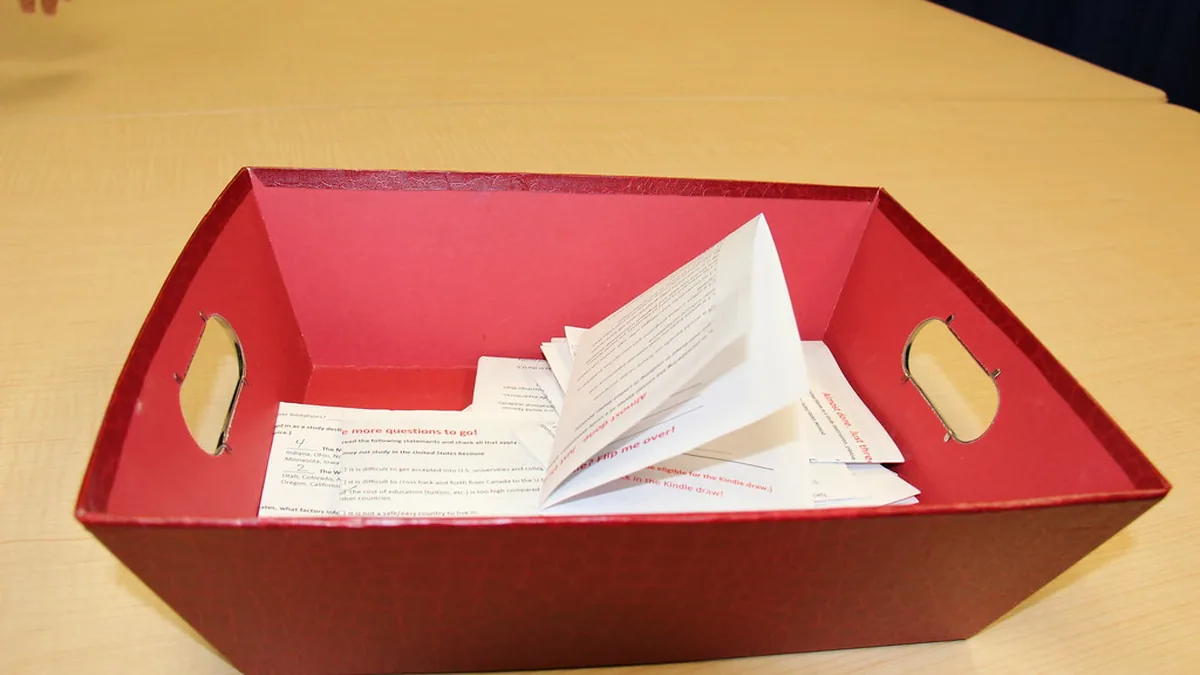
The first phase is tied to an event. Growth Signals debuts at the 2026 Inc. 5000 Conference and Gala in Dallas, held from 14 to 16 October. Attendees are invited to take part in on-site surveys, which the release says will give Inc. an immediate snapshot of the views of founders and executives at the event. After the conference, Inc. says it will keep polling its audience on timely business issues and use the answers to influence what it covers.
The release does not, in the part we could read, state which SurveyMonkey plan or features are being used, how many people will be polled, or how results will be weighted or published. It also does not announce any change to SurveyMonkey pricing or products. Anything beyond those points would be guesswork, so we leave it out.
SurveyMonkey also publishes its own polling
The partnership lands in the same month that SurveyMonkey put out other polling of its own. On 5 October it published its quarterly money survey with CNBC, a consumer poll on housing costs and affordability. That is a different audience and topic from Growth Signals, but it shows the platform being used as a research and publishing engine, not just a form builder.
Why it matters to a small business
Most small firms will never run a conference poll for a media brand. But the announcement is a useful reminder of what separates a survey that helps from one that only produces numbers.
- The audience is part of the result. A poll of people attending one founder conference tells you about those people. It is a snapshot of a self-selected group, and the release itself calls it a snapshot. The same applies to a survey sent to your email list or handed out at a trade stand: it describes the people who answered.
- On-site and follow-up polling are different jobs. Event surveys are quick and in the moment. Ongoing audience polling can track change over time, but only if the questions stay stable and you record who was asked.
- Results feed decisions. Inc. says it will use answers to shape its editorial focus. If you plan to change a product, a price or a service based on a survey, you should know how many people answered and who they were before you act.
What to check before you run your own survey
These are general good-practice points for anyone choosing or using a survey tool. They are not claims about any one vendor.
- Write down the decision first. Decide what you will do differently depending on the answers. If nothing would change, you probably do not need the question.
- Define the audience. Customers, past customers, event visitors and the general public give very different answers. Say which one you asked when you report results.
- Keep it short. Fewer, plainer questions tend to get completed. Check how the tool handles half-finished responses.
- Tell people how answers will be used. If you will publish results or share them with a partner, say so in the invitation. Check the vendor's own privacy terms for how it handles respondent data, and speak to a qualified professional if you collect personal or sensitive information.
- Check export and ownership. Confirm you can export your raw responses in a standard format, and what happens to them if you cancel or downgrade.
- Compare the free tier honestly. For a short customer poll, a free form tool may be enough. Paid plans earn their cost when you need larger response volumes, advanced logic, branding control or team access. Read the current plan limits on each vendor's own pricing page, because they change.
How to read a poll you see published
Growth Signals results will presumably appear in Inc.'s coverage. When any outlet or vendor publishes survey findings, look for four things: who was asked, how many responded, when it was fielded and how the questions were worded. A poll with that information in a visible method note is easier to trust than one with a headline figure alone. SurveyMonkey's published polls, such as the CNBC money survey, are a useful example to read with that checklist in hand.
What to do now
- If you are choosing a survey tool, treat this announcement as context, not a reason to switch. Nothing in it changes what SurveyMonkey or its rivals offer to paying customers.
- If you attend or follow the Inc. conference, treat early Growth Signals figures as a snapshot of that room, and wait for the method details before quoting them.
- If you run your own polls, write down your audience, your question wording and your sample size alongside every result, so you can explain it later.
We will update this story if Inc. or SurveyMonkey publish further details on how Growth Signals is run.