The 10 Best Super Nintendo Games of All Time

Ranked by consensus across eight critics' lists, from Nintendo Power and IGN to Game Informer, Destructoid and GamesRadar+.

The 10 Best Super Nintendo Games of All Time
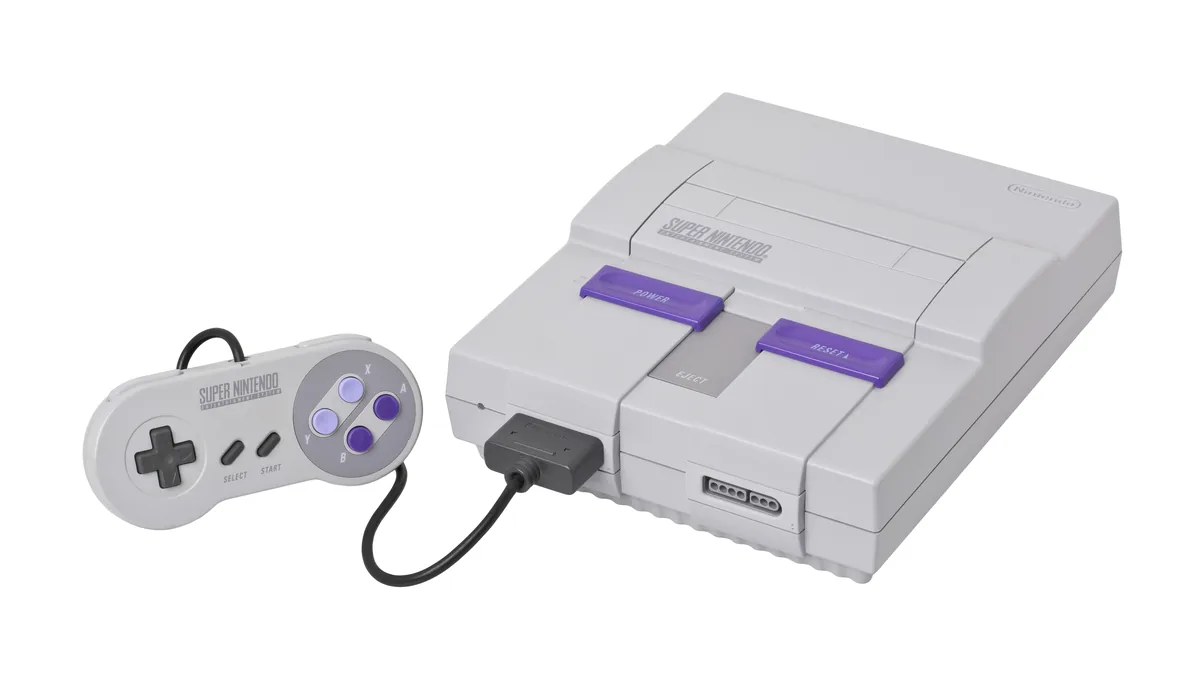
Photo: Evan-Amos, public domain, via Wikimedia Commons

The Super Nintendo had an enormous library, and almost every critic who ranks it ends up arguing over the same dozen games. Rather than add one more opinion to the pile, we combined eight published rankings from IGN, Nintendo Power, Game Informer, Complex, Esquire, Den of Geek, Destructoid and GamesRadar+, scored each list the same way and added up the results.

The outcome is a top 10 the critics broadly agree on: The Legend of Zelda: A Link to the Past finishes first by a single point over Chrono Trigger, with Super Metroid close behind. Each entry below gives the release details, how the game placed on each list, why critics rate it, and where you can still play it legally today.
An editorial list: no affiliate links, and nobody paid to be on it.

Number 10:

Mega Man X

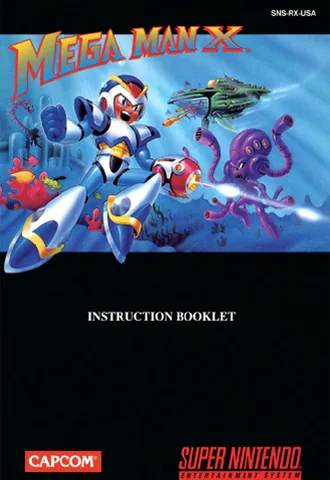
Mega Man X SNES manual cover art
Image: Capcom
Released
1993 (Japan), 1994 (North America)
Developer
Capcom
Publisher
Capcom
Genre
Platform

Why it ranks here: 66 points from seven lists: seventh on Destructoid, eighth on Den of Geek, one point ahead of Super Mario RPG.

Mega Man X was the first Mega Man game on the SNES and the start of a new spin-off series, set a century after the original games. The player controls X, who must stop Sigma, a powerful rogue robot leader, and as in earlier Mega Man games can tackle eight opening stages in any order and take each boss's weapon. X adds a dash, wall climbing and armour upgrades.

It made seven of the eight lists, and steady mid-table finishes carry it into the top 10: seventh on Destructoid, eighth on Den of Geek, eleventh on Nintendo Power and twelfth on IGN. IGN said the new wall jumping and dashing "propelled X into a class of its own." Game Informer, at thirteenth, said its new mobility helped X "make an impressive debut." It holds tenth place by a single point over Super Mario RPG.

Capcom released it in Japan in December 1993 and in North America in January 1994, and it sold 1.16 million copies on the SNES. It is not on Nintendo Classics, but it is included in Mega Man X Legacy Collection for PlayStation 4, Xbox One, Nintendo Switch and Windows.

Sources: Destructoid: 20 best SNES games of all time, ranked (2024) · IGN: Top 100 SNES Games of All Time (2017, archived) · Wikipedia: Mega Man X

Number 9:

Super Mario World 2: Yoshi's Island

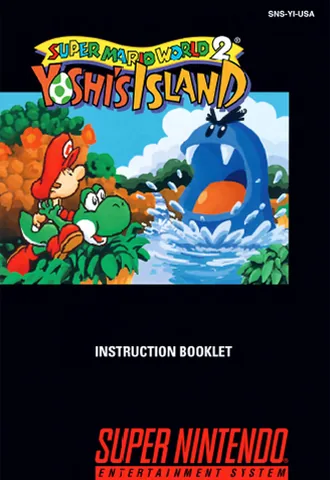
Super Mario World 2: Yoshi's Island box art
Image: Nintendo
Released
1995 (Japan and North America)
Developer
Nintendo EAD
Publisher
Nintendo
Genre
Platform

Why it ranks here: 76 points from six lists: sixth on Den of Geek and GamesRadar+, seventh on IGN.

Yoshi's Island puts Yoshi in the lead role: Yoshi dinosaurs set out to reunite baby Mario with his brother Luigi, who has been kidnapped by the wizard Kamek. It introduced Yoshi's flutter jump and egg throwing, and its marker-drawn art style was made by scanning drawings and rebuilding them pixel by pixel, with some effects powered by the Super FX2 chip. It was the last 2D Super Mario platformer for more than a decade.

It appears on six of the eight lists, and where it appears it ranks high: sixth on Den of Geek and GamesRadar+, seventh on IGN and eighth on Nintendo Power. IGN noted that it "defined Yoshi as a character" and shaped the Mario games for years after. Its absence from Game Informer's and Destructoid's lists is the main reason it sits ninth rather than higher.

Nintendo released it in Japan in August 1995 and in North America in October 1995, after four years of development. It sold 4.12 million copies on the SNES. It is part of the SNES library on Nintendo Classics for Nintendo Switch, and has been there since that library launched in September 2019.

Sources: IGN: Top 100 SNES Games of All Time (2017, archived) · Den of Geek: 35 Best SNES Games of All Time (2023) · Wikipedia: Super Mario World 2: Yoshi's Island · Wikipedia: Nintendo Classics

Number 8:

Super Mario Kart

Super Mario Kart box art
Image: Nintendo
Released
1992 (Japan and North America)
Developer
Nintendo EAD
Publisher
Nintendo
Genre
Kart racing

Why it ranks here: 84 points: on all eight lists, sixth on Game Informer and eighth on IGN, Esquire and GamesRadar+.

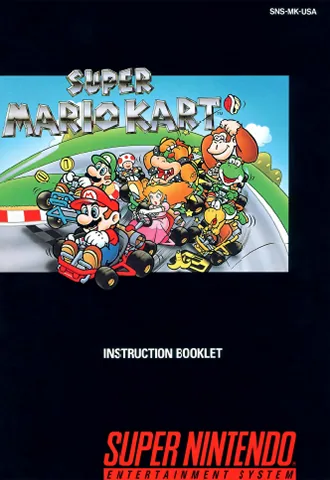
Super Mario Kart is the first game in the Mario Kart series. Eight Mario characters race across 20 tracks in four cups at three engine classes, using power-ups to attack rivals or speed up, and a Battle Mode has players pop each other's balloons. Its Mode 7 graphics were widely praised at the time.

Critics credit it with creating the kart-racing genre. Game Informer, which ranked it sixth, said it "created a genre that remains a gaming stalwart to this day," and IGN wrote that with Super Mario Kart Mario "started something new." It is one of only seven games that appear on all eight lists, and it landed in the top 9 on six of them. Two late finishes, nineteenth on both Den of Geek and Destructoid, are what leave it just one point behind EarthBound.

Nintendo released it in Japan in August 1992 and in North America in September 1992. With 8.76 million copies sold, it is the fourth best-selling SNES game, and it started a series Nintendo is still making. It is available on Nintendo Switch in the SNES library of Nintendo Classics, part of the original lineup from September 2019.

Sources: Game Informer: The Top 25 Super Nintendo Games Of All Time (2016) · IGN: Top 100 SNES Games of All Time (2017, archived) · Wikipedia: Super Mario Kart · Wikipedia: Nintendo Classics

Number 7:

EarthBound

EarthBound box art
Image: Nintendo
Released
1994 (Japan, as Mother 2), 1995 (North America)
Developer
Ape Inc., HAL Laboratory
Publisher
Nintendo
Genre
Role-playing

Why it ranks here: 85 points from seven lists: sixth on Esquire and Destructoid, seventh on Den of Geek and GamesRadar+.

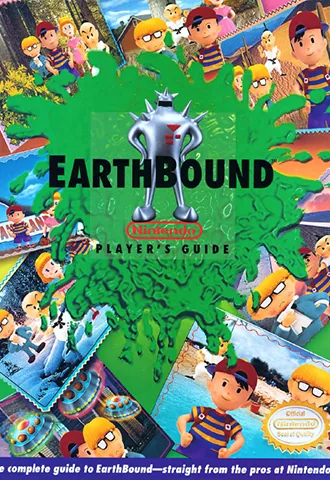
EarthBound, released in Japan as Mother 2, is a role-playing game about a boy named Ness and his friends Paula, Jeff and Poo, who travel the world to collect melodies and defeat the cosmic destroyer Giygas. It swaps swords and castles for a modern, affectionately warped version of small-town America, with enemies such as taxi cabs and piles of vomit. Writer and director Shigesato Itoi led the project, and Satoru Iwata was its lead programmer.

It sold poorly in the United States, but a devoted fan community grew around it, and critics now count it among the best games ever made. It appears on seven of our eight lists, missing only Nintendo Power's 2008 ranking, and placed sixth or seventh on four of them. IGN described it as having "instantly cemented" its cult status, and Game Informer recalled it as "the game with the big box," which shipped with a strategy guide and a scratch-and-sniff insert.

It came out in Japan in August 1994 and in North America in June 1995. It joined the SNES library on Nintendo Classics for Nintendo Switch in February 2022.

Sources: IGN: Top 100 SNES Games of All Time (2017, archived) · Game Informer: The Top 25 Super Nintendo Games Of All Time (2016) · Wikipedia: EarthBound · Wikipedia: Nintendo Classics

Number 6:

Street Fighter II Turbo

Street Fighter II Turbo SNES manual cover art
Image: Capcom
Released
1993 (Japan and North America)
Developer
Capcom
Publisher
Capcom
Genre
Fighting

Why it ranks here: 101 points: sixth on IGN, Nintendo Power and Complex, fifth on GamesRadar+, and on all eight lists.

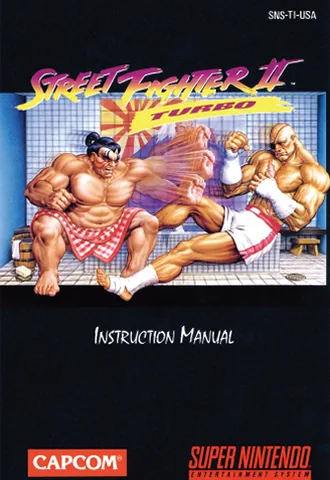
Street Fighter II Turbo is the SNES version of Street Fighter II Turbo: Hyper Fighting, Capcom's faster, rebalanced 1992 arcade update to Street Fighter II. The home port also kept the earlier Champion Edition rules as a "Normal" mode and restored details cut from the first SNES Street Fighter II, such as the barrel-breaking bonus stage.

It placed on all eight lists and in the top 7 on six of them. IGN called the SNES Street Fighter II "another genre-defining masterpiece" and the best home fighting game of its time. Game Informer, whose list names the series simply as Street Fighter II, wrote: "This is where the fighting craze began." We counted that entry here as the SNES Street Fighter II pick; without it, this game would tie EarthBound on points and still finish sixth on sales.

The SNES version came out in Japan in July 1993 and in North America in August 1993, topped the Famitsu chart in Japan and sold 4.1 million copies worldwide. It is not part of Nintendo Classics, but the arcade Hyper Fighting is included in Street Fighter 30th Anniversary Collection for Nintendo Switch, PlayStation 4, Xbox One and Windows.

Sources: IGN: Top 100 SNES Games of All Time (2017, archived) · Game Informer: The Top 25 Super Nintendo Games Of All Time (2016) · Wikipedia: Street Fighter II Turbo

Number 5:

Final Fantasy VI

Final Fantasy VI Super Famicom box art
Image: Square Enix
Released
1994 (Japan and North America, as Final Fantasy III)
Developer
Square
Publisher
Square
Genre
Role-playing

Why it ranks here: 122 points: Game Informer's number one, and top 5 on five of the eight lists.

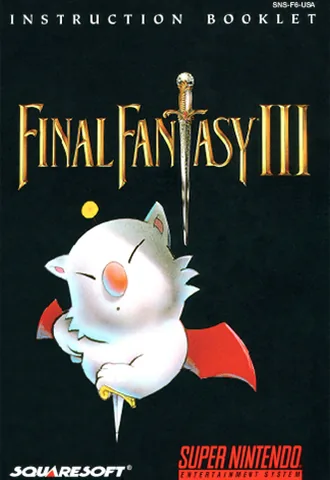
Final Fantasy VI is the sixth main Final Fantasy game and the last one built on 2D sprites. North American players first knew it as Final Fantasy III, because the second, third and fifth entries had not been released outside Japan at the time. It was the first in the series directed by someone other than creator Hironobu Sakaguchi, with Yoshinori Kitase and Hiroyuki Ito in charge, and Nobuo Uematsu wrote the score.

Game Informer ranked it the best SNES game, saying it "perfected the 2D role-playing game" and pointing to its opera-house sequence. IGN placed it fourth and said it "raised the bar for JRPGs in the '90s." It was top 5 on five lists, and its weakest finish, fifteenth on Esquire's 15-game list, is what keeps it below the four games above. Many critics rank it as the best Final Fantasy of all.

Square released it in Japan in April 1994 and in North America in October 1994. It sold 3.42 million copies on the SNES. The original SNES version is not on Nintendo Classics, but the Pixel Remaster is sold for Windows, iOS, Android, Nintendo Switch, PlayStation 4 and Xbox Series X|S.

Sources: Game Informer: The Top 25 Super Nintendo Games Of All Time (2016) · IGN: Top 100 SNES Games of All Time (2017, archived) · Wikipedia: Final Fantasy VI

Number 4:

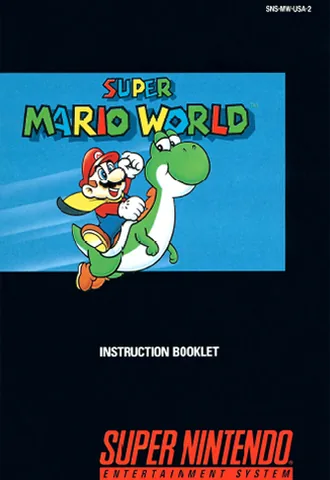
Super Mario World

Super Mario World box art
Image: Nintendo
Released
1990 (Japan), 1991 (North America)
Developer
Nintendo EAD
Publisher
Nintendo
Genre
Platform

Why it ranks here: 136 points: first on Esquire, second on Nintendo Power, and top 7 on all eight lists.

Super Mario World was the first Mario game for the SNES and a North American launch title for the console. Mario sets out to save Princess Peach and Dinosaur Land from Bowser and the Koopalings, and the game introduced Yoshi, the rideable dinosaur who eats enemies. Nintendo EAD made it under director Takashi Tezuka and producer Shigeru Miyamoto.

It placed in the top 7 on every one of our eight lists. Esquire ranked it the best SNES game and Nintendo Power put it second. IGN, ranking it fifth, framed it as the hard task of following Super Mario Bros. 3 and concluded that "Nintendo managed to do just that." Game Informer singled out the levels with multiple exits and the secret Star Road.

It is also the best-selling SNES game: more than 20 million copies, according to Wikipedia's list of best-selling SNES games, helped by being bundled with the console. It came out in Japan in November 1990 and in North America in August 1991. Both the SNES original and the Game Boy Advance version are available on Nintendo Switch through Nintendo Classics.

Sources: Esquire: The 15 Best SNES Games of All Time, Ranked (2019) · IGN: Top 100 SNES Games of All Time (2017, archived) · Wikipedia: Super Mario World · Wikipedia: List of best-selling Super Nintendo Entertainment System video games

Number 3:

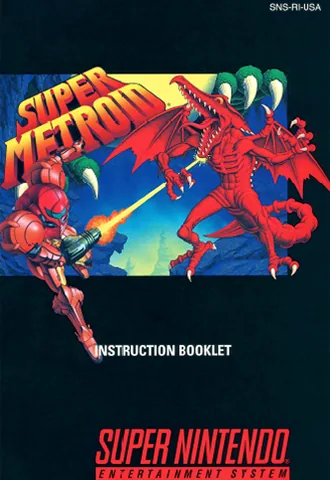
Super Metroid

Super Metroid box art
Image: Nintendo
Released
1994 (Japan and North America)
Developer
Nintendo R&D1, Intelligent Systems
Publisher
Nintendo
Genre
Action-adventure

Why it ranks here: 143 points: first on Den of Geek, second on Destructoid, and never lower than fifth on any list.

Super Metroid is the third Metroid game. Bounty hunter Samus Aran returns to the planet Zebes to recover a stolen infant Metroid, exploring a large alien world and collecting power-ups that open up areas she could not reach before. It added an inventory screen, an automap and eight-direction shooting to the formula.

Critics treat it as the template for an entire genre. Alongside Castlevania: Symphony of the Night, it is credited with establishing the "Metroidvania" style that many indie games still follow. IGN called it "arguably the most influential game in the 2D action/adventure genre," and Game Informer said it established a framework that inspired franchises from Castlevania to Shadow Complex. Den of Geek ranked it the best SNES game of all, and its lowest placing on any of the eight lists was fifth, on Esquire.

Nintendo released it in Japan in March 1994 and in North America in April 1994. It shipped 1.42 million copies worldwide by late 2003, a modest figure next to its reputation. It is part of the SNES library on Nintendo Classics for Nintendo Switch, available since September 2019.

Sources: Den of Geek: 35 Best SNES Games of All Time (2023) · IGN: Top 100 SNES Games of All Time (2017, archived) · Wikipedia: Super Metroid · Wikipedia: Nintendo Classics

Number 2:

Chrono Trigger

Chrono Trigger screenshot
Image: Square Enix
Released
1995 (Japan and North America)
Developer
Square
Publisher
Square
Genre
Role-playing

Why it ranks here: 147 points, one behind first: number one on Complex and Destructoid, and top 5 on all eight lists.

Chrono Trigger is a 1995 role-playing game in which a group of adventurers travels through time to stop a global catastrophe. Square built it with what it called a "Dream Team": Hironobu Sakaguchi of Final Fantasy, Yuji Horii of Dragon Quest and Akira Toriyama, the Dragon Ball artist who designed the characters. Its soundtrack, by Yasunori Mitsuda with Nobuo Uematsu, is often named among the best ever written for a game.

It is the most consistent game in this ranking: top 5 on every one of the eight lists, and first on Complex and Destructoid. IGN, which placed it second, argued that Square's game may be the best Japanese RPG and noted its 13 endings. Game Informer opened its entry with "Calling Chrono Trigger a JRPG is a disservice," pointing to the absence of random battles and to the New Game Plus mode the game introduced.

It came out on the Super Famicom in March 1995 and in North America later that year, and sold 2.5 million copies on the SNES. It has since been re-released on several platforms, and legal options today include the higher-resolution Windows version released on Steam in 2018 and the iOS and Android versions.

Sources: Complex: The Best Super Nintendo Games of All Time (2018) · Destructoid: 20 best SNES games of all time, ranked (2024) · IGN: Top 100 SNES Games of All Time (2017, archived) · Wikipedia: Chrono Trigger

Number 1:

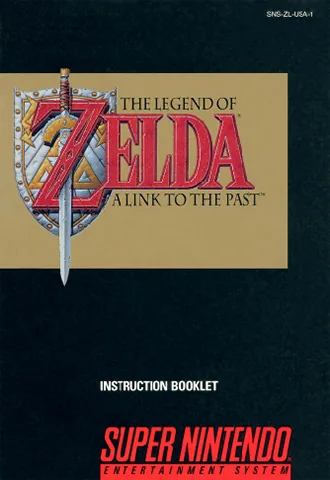
The Legend of Zelda: A Link to the Past

The Legend of Zelda: A Link to the Past box art
Image: Nintendo
Released
1991 (Japan), 1992 (North America)
Developer
Nintendo EAD
Publisher
Nintendo
Genre
Action-adventure

Why it ranks here: 148 points: first on IGN, Nintendo Power and GamesRadar+, and top 3 on seven of the eight lists.

A Link to the Past is the third game in The Legend of Zelda series and its debut on the SNES. It returned to the top-down view of the first game after the side-scrolling Zelda II, and it introduced ideas the series still leans on, including parallel worlds and the Master Sword. Link travels between a Light World and a Dark World to rescue the descendants of the Seven Sages and defeat Ganon.

It is the only game to finish in the top 3 on seven of our eight lists. IGN, Nintendo Power and GamesRadar+ all put it first, and IGN wrote that it "made that series a legend." Game Informer, which ranked it second, said it "remains a blast today." Its weakest finish was eighth on Destructoid's list, which was still enough to edge Chrono Trigger by a single point overall.

Nintendo released it in Japan in November 1991 and in North America in April 1992. Wikipedia's list of best-selling SNES games puts it at 4.61 million copies on the console. You can play it today on Nintendo Switch through the SNES library of Nintendo Classics, the Nintendo Switch Online retro service, where it has been available since the library launched on September 5, 2019.

Sources: IGN: Top 100 SNES Games of All Time (2017, archived) · Game Informer: The Top 25 Super Nintendo Games Of All Time (2016) · Wikipedia: The Legend of Zelda: A Link to the Past · Wikipedia: Nintendo Classics

How we ranked them

NerdBible did not play or score these games itself. This ranking is a consensus compiled from eight published critics' lists that each give a numbered order:

  • IGN, Top 100 SNES Games of All Time (2017)
  • Nintendo Power, Best of the Best, 20th anniversary issue (2008)
  • Game Informer, The Top 25 Super Nintendo Games Of All Time (2016)
  • Complex, The Best Super Nintendo Games of All Time (2018)
  • Esquire, The 15 Best SNES Games of All Time, Ranked (2019)
  • Den of Geek, 35 Best SNES Games of All Time (2023)
  • Destructoid, 20 best SNES games of all time, ranked (2024)
  • GamesRadar+, 25 Best SNES Games of All Time (updated 2026)

From each list we took the top 20 entries, or the whole list if it was shorter. A game earned 21 minus its position: first place is worth 20 points, twentieth place 1 point. We added the points across all eight lists. Ties are broken by the number of lists a game appears on, then by its SNES sales according to Wikipedia's list of best-selling SNES games. North American and Japanese titles were merged, so Final Fantasy III on a US list counts as Final Fantasy VI. Lists ordered by reader votes, and unnumbered roundups, were left out.

Frequently Asked Questions

What is the best-selling SNES game?

Super Mario World, with more than 20 million copies sold according to Wikipedia's list of best-selling SNES games. It was bundled with the console for much of its life. Super Mario All-Stars is second at about 10.55 million, followed by Donkey Kong Country at 9.3 million and Super Mario Kart at 8.76 million. Of our top 10, A Link to the Past sold 4.61 million and Super Metroid 1.42 million.

Can you still play SNES games legally today?

Yes. Nintendo Classics, the retro library of the Nintendo Switch Online service, has offered SNES games on Nintendo Switch since September 5, 2019. Six of our top 10 are in it: A Link to the Past, Super Metroid, Super Mario World, Super Mario Kart and Yoshi's Island since launch, and EarthBound since February 2022. Chrono Trigger, Final Fantasy VI, Street Fighter II Turbo and Mega Man X are sold separately in later versions or collections.

Why is Super Mario RPG not in the top 10?

It missed by one point. Super Mario RPG: Legend of the Seven Stars scored 65 points across seven lists, against 66 for Mega Man X. It ranked eighth on Complex, ninth on Den of Geek and tenth on IGN and Esquire, but Game Informer had it twentieth and Nintendo Power left it out of its top 20. Secret of Mana was next, well behind at 41 points.

How many games were released for the SNES?

Wikipedia's list of SNES games counts 717 official releases in North America, plus four championship cartridges, 1,440 in Japan and 532 in Europe, along with titles for the Satellaview and SuFami Turbo add-ons. Japan had 977 exclusives. The console launched in North America on August 23, 1991, with Super Mario World, F-Zero, Pilotwings, Gradius III and SimCity among its first games.

Which games did the eight lists rank first?

Five different games took first place. A Link to the Past was number one for IGN, Nintendo Power and GamesRadar+. Chrono Trigger topped Complex and Destructoid. Game Informer picked Final Fantasy VI, which it listed under its North American title Final Fantasy III, Den of Geek chose Super Metroid, and Esquire put Super Mario World first.